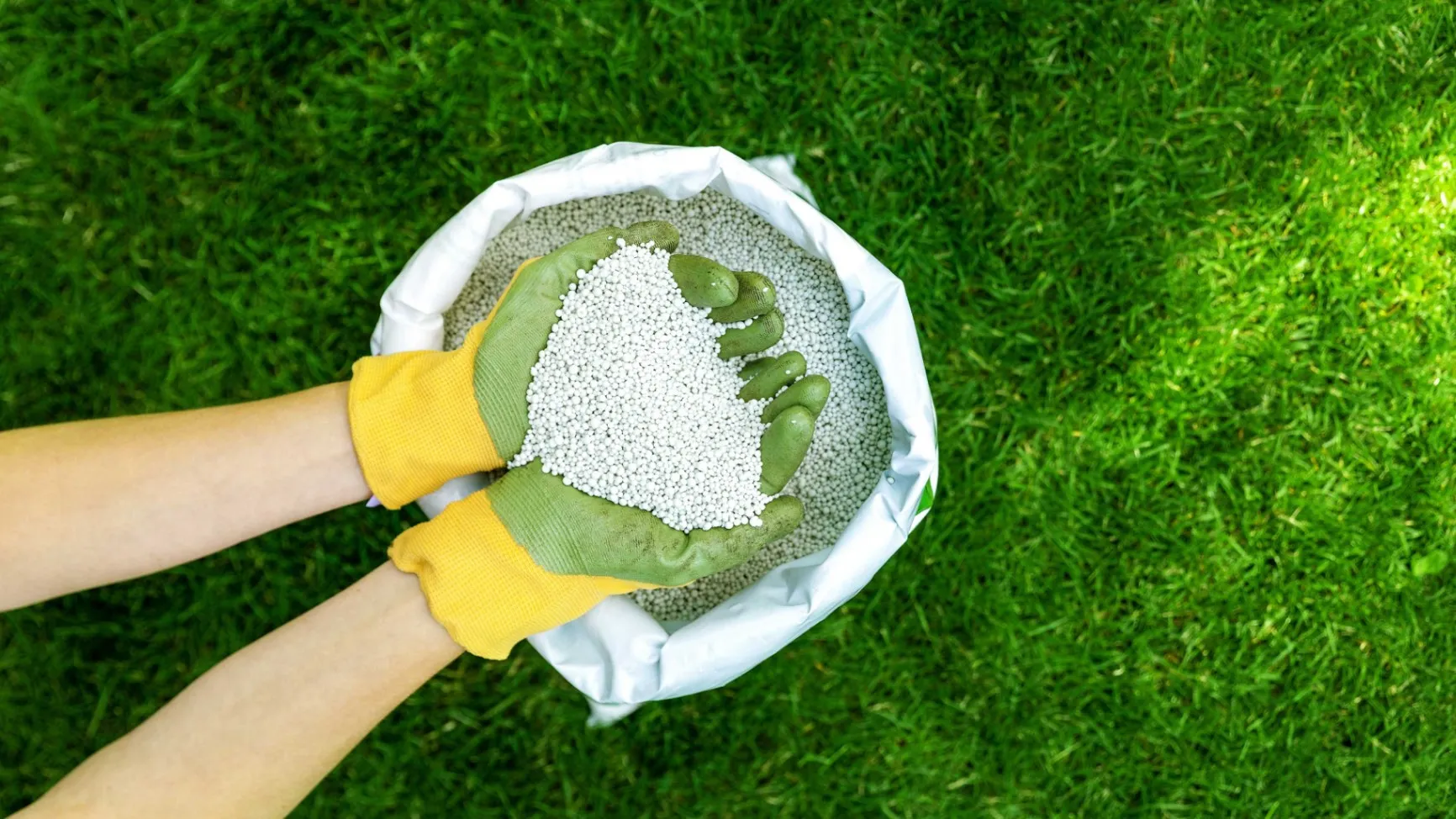
Fertilizing Your Lawn: What You Need to Know
A healthy lawn is a beautiful addition to any property, but achieving that lush green appearance requires proper care and maintenance. One of the most critical aspects of lawn care is fertilization. In this blog post, we will explore the essentials of lawn fertilization, including the benefits, types of fertilizers, application methods, and tips for maintaining a healthy lawn.
Why is Lawn Fertilization Important?
Fertilizing your lawn provides essential nutrients that promote growth and resilience. Here are some key benefits:
- Encourages thick, green grass growth
- Improves resistance to pests and diseases
- Enhances drought tolerance
- Promotes a stronger root system
- Increases overall lawn durability
Types of Lawn Fertilizers
Understanding the different types of fertilizers available can help you make an informed choice for your lawn. Here are the primary types:
- Granular Fertilizers: Slow-release and easy to apply, ideal for long-term feeding.
- Liquid Fertilizers: Quick absorption and immediate results, suitable for spot treatments.
- Organic Fertilizers: Made from natural materials, they improve soil health over time.
- Synthetic Fertilizers: Chemically formulated for rapid nutrient delivery.
Choosing the Right Fertilizer
When selecting a fertilizer, consider the following factors:
- Soil type: Test your soil to determine nutrient deficiencies.
- Grass type: Different grass species have varying nutrient needs.
- Season: Choose fertilizers based on seasonal growth patterns.
Best Practices for Lawn Fertilization
To maximize the effectiveness of your lawn fertilization efforts, follow these best practices:
- Apply fertilizer during the growing season: Spring and fall are ideal times.
- Use a spreader for even distribution: This ensures all areas receive adequate nutrients.
- Water after application: This helps the fertilizer penetrate the soil and reach the roots.
- Avoid over-fertilization: Too much fertilizer can damage your lawn and harm the environment.
Signs Your Lawn Needs Fertilization
Keep an eye out for these indicators that your lawn may require fertilization:
- Yellowing grass blades
- Thin or bare patches
- Poor growth compared to neighboring lawns
- Weeds overtaking your lawn
Common Lawn Care Mistakes to Avoid
To ensure your lawn thrives, avoid these common fertilization mistakes:
- Neglecting soil testing: Always test your soil before applying fertilizer.
- Fertilizing during drought: Wait until your lawn has adequate moisture.
- Applying fertilizer before heavy rain: This can lead to runoff and nutrient loss.
Conclusion
Fertilizing your lawn is a crucial step in maintaining its health and appearance. By understanding the types of fertilizers, best practices for application, and signs that your lawn needs care, you can ensure a vibrant, lush outdoor space. For expert assistance in lawn care and fertilization, consider reaching out to a professional landscaping service like Guerrero's Landscaping INC. A healthy lawn is not just about aesthetics; it adds value to your property and enhances your outdoor living experience.